


Manifesto prepared by the Network of Gender Equality Units for University Excellence (RUIGEU), on the occasion of the International Day for the Elimination of Violence Against Women to be held on November 25.
November 25th, the International Day for the Elimination of Violence Against Women, is a historic and collective event in which universities also take part to remind us of our responsibility and to act as a driver of change and transformation toward a more just society free of gender-based violence. Specifically, it is our duty to foster spaces for deep debate and to promote critical research on the impacts and consequences of gender-based violence, as well as to raise awareness that such violence occurs in all spheres, including the university environment, and across all social strata, regardless of socioeconomic background.
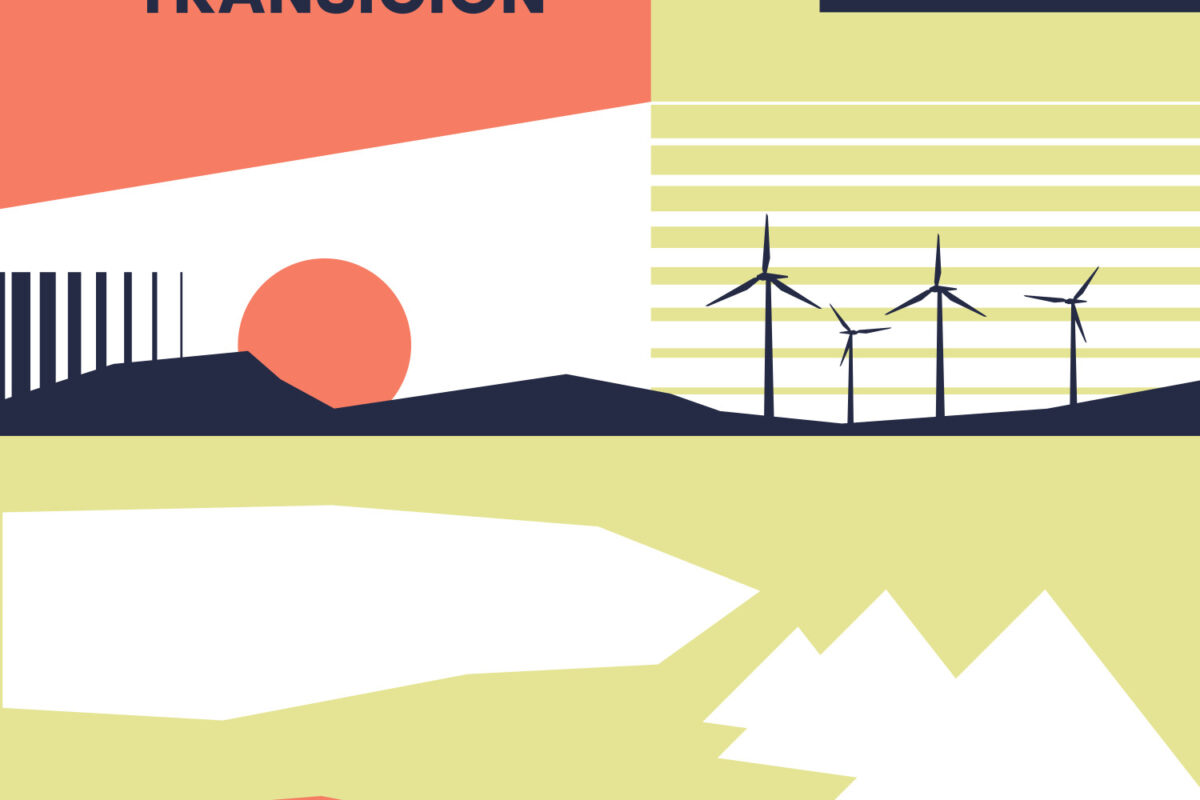
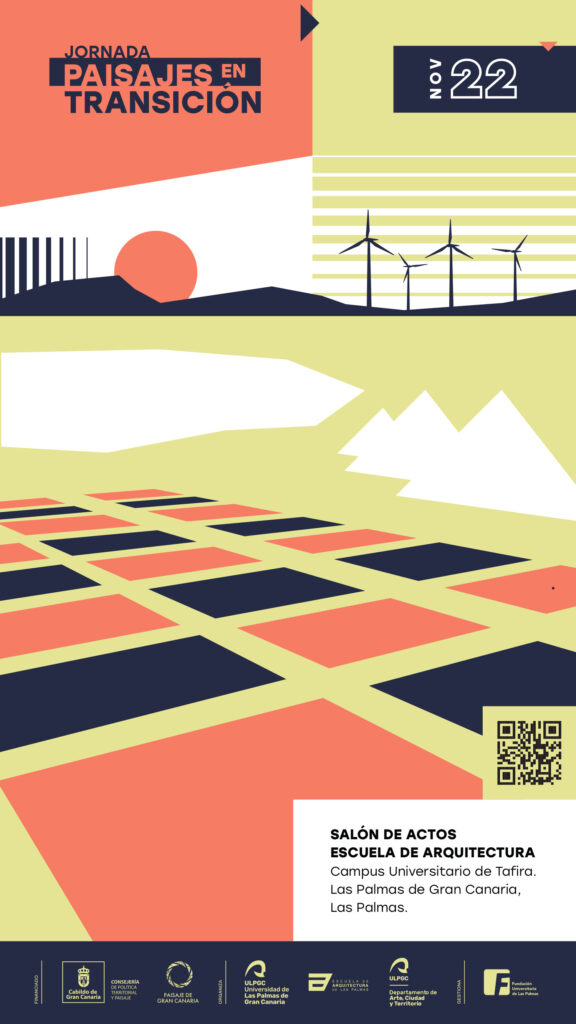
Venue: Assembly Hall. School of Architecture. Campus Universitario de Tafira. Las Palmas de Gran Canaria, Las Palmas.
Program:
09:00 – Opening
MARÍA INÉS MIRANDA NAVARRO, Minister of Government for Territorial Policy and Landscape. Cabildo de Gran Canaria.
09:15
BASIC PRINCIPLES FOR THE REGULATION OF WIND FARM IMPLEMENTATION: THE CASE OF LA JONQUERA IN CATALONIA
MÒNICA BERGUER JORNET, urban architect.
HELENA CRUZ GALLACH, PhD in Geography. Territoris XLM
10:15
THE ENERGY TRANSITION AGENDA OF GRAN CANARIA AS A TOOL FOR THE TERRITORIALIZATION OF RENEWABLE ENERGY SOURCES
ALEXIS LOZANO MEDINA, Industrial Engineer. Island Director of Energy and Climate. Cabildo de Gran Canaria
COFFEE BREAK
11:30
ENERGY PLANNING AS A MECHANISM FOR A SUSTAINABLE AND RESILIENT FUTURE. THE CASE OF GRAN CANARIA
SANTIAGO DÍAZ RUANO, PhD in Industrial Engineering. Head of the Renewable Energy Department at the Technological Institute of the Canary Islands
12:15
LANDSCAPE BASES FOR AN INSULAR ENERGY PLANNING STRATEGY IN GRAN CANARIA
VÍCTOR QUEVEDO DOMÍNGUEZ, Architect. Head of the Territorial and Urban Development Planning Unit. Technical Planning and Landscape Service. Department of Territorial Policy and Landscape. Cabildo de Gran Canaria
VÍCTOR DELISAU PIZARRO, PhD Architect. Technical Planning and Landscape Service. Department of Territorial Policy and Landscape. Cabildo de Gran Canaria
HELENA CRUZ GALLACH, PhD in Geography. Territoris XLM
SANTIAGO DÍAZ RUANO, PhD in Industrial Engineering. Head of the Renewable Energy Department at the Technological Institute of the Canary Islands
ALEXIS LOZANO MEDINA, Industrial Engineer. Island Director of Energy and Climate. Cabildo de Gran Canaria
VÍCTOR QUEVEDO DOMÍNGUEZ, Architect. Head of the Territorial and Urban Development Planning Unit. Technical Planning and Landscape Service. Department of Territorial Policy and Landscape. Cabildo de Gran Canaria
VÍCTOR DELISAU PIZARRO, PhD Architect. Technical Planning and Landscape Service. Department of Territorial Policy and Landscape. Cabildo de Gran Canaria
Moderator
NOEMÍ TEJERA MUJICA, Architect and Urban Planner. Technical Planning and Landscape Service. Department of Territorial Policy and Landscape. Cabildo de Gran Canaria
Laura Trujillo Cabrera, architect from the Las Palmas de Gran Canaria School of Architecture, has been awarded a scholarship during the XXIV Call for the Arquia Scholarships program for paid professional internships for young architects, organized by the Arquia Foundation in 2023. Laura Trujillo Cabrera was selected among 434 participants in the academic record category and has been assigned Ministry of Housing and Urban Agenda, Madrid as the host institution. The internship will be carried out under the arquia/scholarships program, according to the agreement signed between the Arquia Foundation and the Ministry of Housing and Urban Agenda.
About the Scholarships
The scholarships aim to provide candidates the opportunity to complement their education through professional internships, enhancing the knowledge acquired during their training and fostering a connection between professional and academic fields. They facilitate access for recipients to highly qualified European architecture studios.
Additionally, the program promotes mobility within Europe, understanding it as an enriching factor for personal development. The internship must be carried out at an architecture studio located in an autonomous community different from the recipient’s place of residence or study.
Members of the SEALabHaus Canary Islands Regional Action Group
The First Regional Seminar of SEALabHaus took place at the School of Architecture, showcasing the SEALabHaus Laboratory. Conceived as the Laboratory of the New Atlantic Space, SEALabHaus is dedicated to the research and development of blue tourism and cultural industries related to the sea and maritime heritage in Atlantic Coastal Communities, aligned with the principles of the New European Bauhaus.
From the University of Las Palmas de Gran Canaria (ULPGC), participants included Professor Lucía Martínez Quintana and Professors Francisco Antonio García Pérez and Juan Manuel Santana Pérez.
The Interreg SEALabHaus Project is envisioned as an international network where institutions across the Atlantic Arc — Ireland, France, Portugal, La Coruña, and the Canary Islands — collaborate. The Atlantic Community aims to build an international cooperation network in blue tourism and maritime cultural industries among Atlantic coastal communities, bringing together partners to address shared challenges through collaborative, collective problem-solving and experience sharing. Acting as a connector of maritime-related projects, it supports mutual learning, testing, and developing tools and solutions to address existing issues across participating regions.
The primary goal is to establish a community that fosters innovation, research, knowledge-sharing, and collaborative learning among its members, ensuring that the knowledge generated reaches society as a whole. Efforts are focused on five main thematic areas where partner organizations excel: Blue Tourism, Arts and Culture, Architecture, Sea and Sustainability, and Professional Development and Training.
With funding of €3.47 million, the SEALabHaus project will run until late 2026, organized around three main pillars:
SEA: Innovate the value chain of blue tourism and culture by transforming, revitalizing, and enhancing coastal ecosystems and maritime heritage, balancing these with the sea as a key factor for resilience, well-being, and sustainability.
Lab: Establish the Transnational Laboratory of the New Bauhaus in the Atlantic Area (SEALab), promoting networking and intelligent specialization through support for unique, innovative, sustainable, and inclusive projects.
Haus: Introduce the innovative and integrated approach promoted by the New European Bauhaus (NEB).
Presentation of the SEALabHaus Atlantic Area LaboratoryFirst SEALabHaus Regional Meeting in the Canary IslandsRoundtable on Best Practices among Members of the SEALabHaus Canary Islands Regional Action Group