The public session for the allocation of places in the SICUE programme for the 2026/2027 academic year, initially scheduled for Friday, 20 March and later rescheduled to Wednesday, 25 March, has been postponed again due to the closure of university facilities following the temporary suspension of academic activity decreed on the island of Gran Canaria.
The new date for the session will be Friday, 27 March 2026 at 10:30 a.m. in the EA Boardroom.
The University will provide updates regarding this process through the usual communication channels.
For more information about the closure of the ULPGC, please refer to the following link: Closure of university facilities due to adverse weather conditions.
The School of Architecture (EA) informs students that the public allocation event for SICUE mobility places for the 2026/2027 academic year will take place on the following date:
Date: Friday, 20 March 2026
Time: 1:00 p.m.
Location: Board Room – School of Architecture
This will be a public in-person event during which mobility places will be allocated.
If a student is unable to attend in person, they must authorize a representative through a signed written document, clearly identifying the person who will attend on their behalf.
The authorization template can be downloaded from the official ULPGC SICUE mobility page:
10.2. Failure to attend the public event will imply the automatic withdrawal from the mobility place.
Students are also reminded that being allocated a place in the SICUE programme implies withdrawal from, or incompatibility with, participation in the Erasmus+ SMS programme for the same 2026/2027 academic year, for those students who have applied to both programmes.
8.8. During the allocation process, students must choose one university from among those offered. Students are responsible for considering the specific campus of the destination university if the institution has multiple campuses.
8.6. Mobility places are preferably allocated during a public in-person event whose date and location are set by the centre and published on the corresponding website. Attendance may be either personal or through a representative, which must be properly accredited (valid identification document in the first case; signed authorization letter in the second).
Students are advised to review the list of destinations beforehand and attend the event with the necessary information to facilitate the selection process.
To check the number of mobility places agreed between ULPGC and the destination universities, please consult the official mobility agreements search tool:
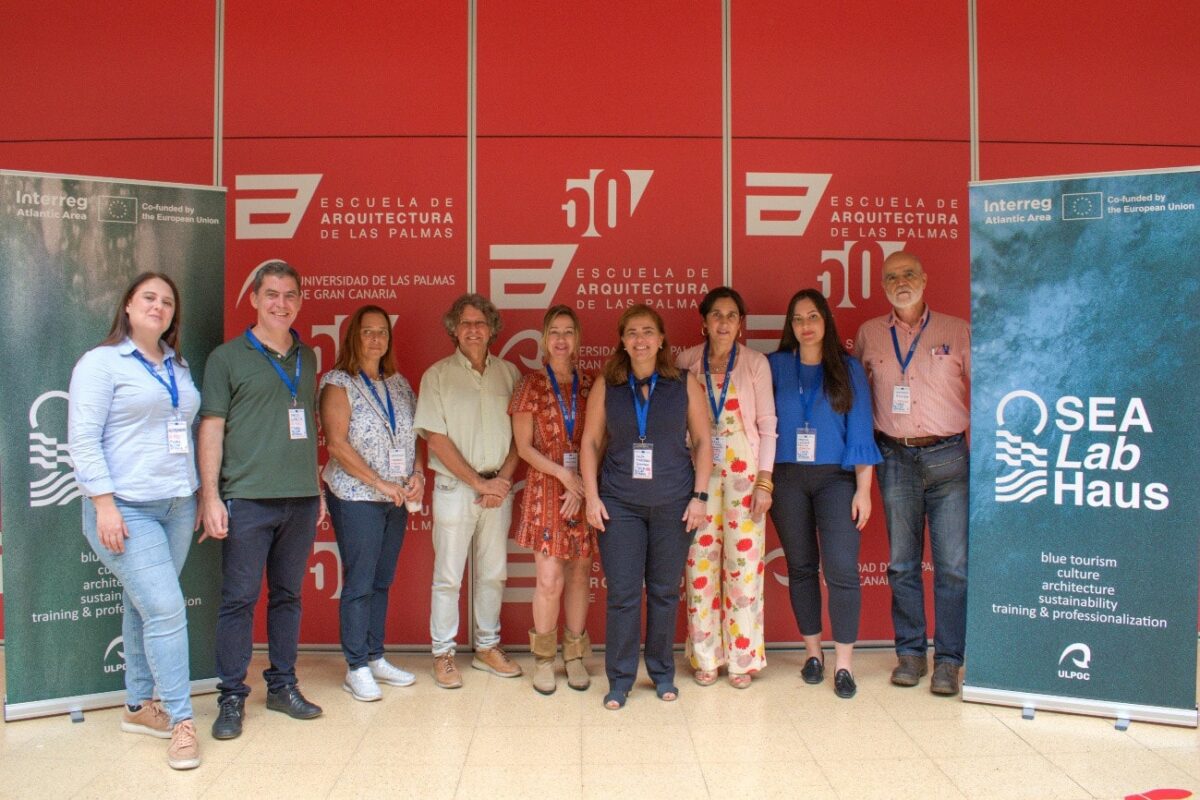
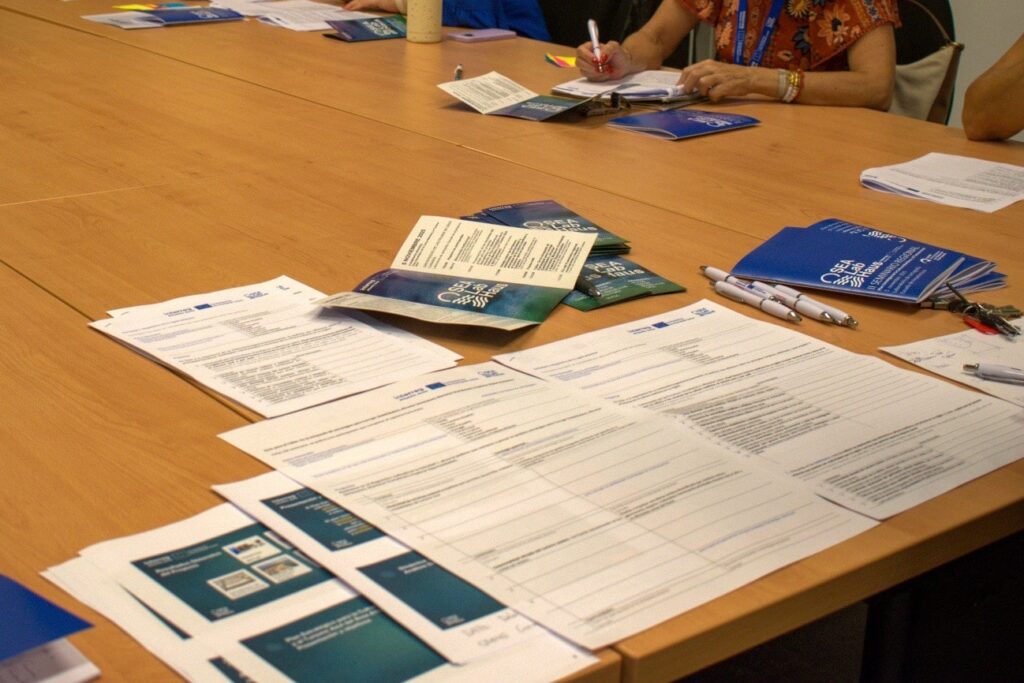
The School of Architecture hosted the 2nd SEALabHaus Regional Seminar on November 5, a key event within the European project SEALabHaus, funded by Interreg and aimed at creating the New Atlantic Area Laboratory. This laboratory is conceived as an international cooperation network among coastal regions of Ireland, France, Portugal, Galicia, and the Canary Islands, promoting innovation around blue tourism, maritime culture, and creative industries connected to the sea, in line with the principles of the New European Bauhaus.
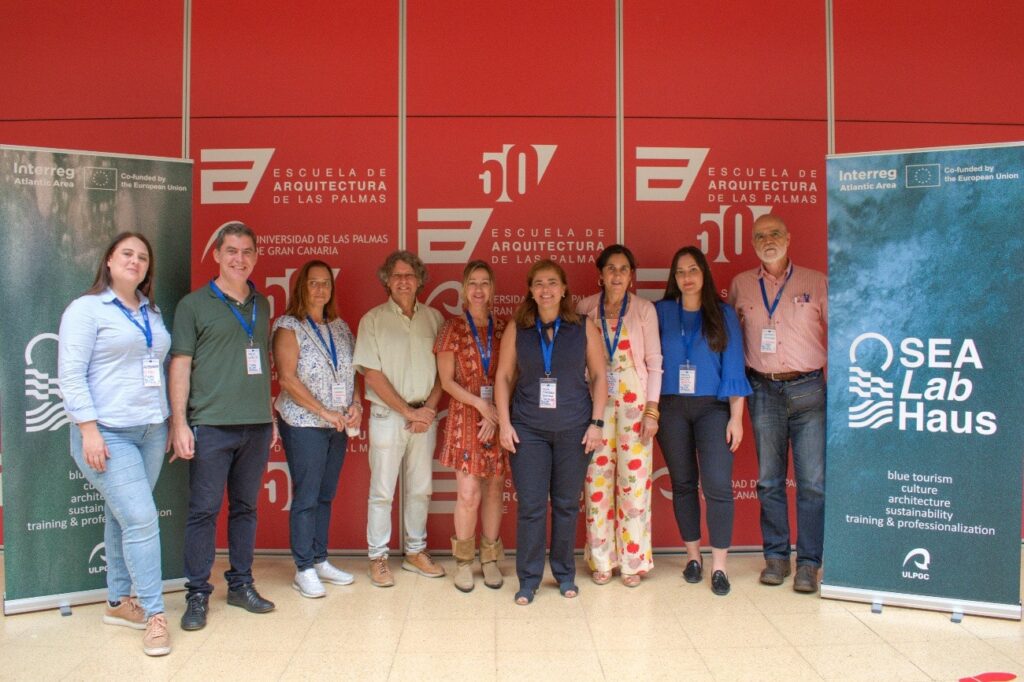
Members of the Canary Islands Regional Action Group attending the 2nd SEALabHaus Regional Seminar
Regional seminars are a core component of the project: they serve as collaborative spaces where researchers, public administrations, cultural organizations, tourism professionals, and citizens come together to jointly analyze the challenges and opportunities of the marine and coastal environment. Their aim is to support the development of the SEALab, while also consolidating an Atlantic community that shares experiences, generates knowledge, and designs joint strategies.
Following the first edition held in 2024—which introduced the project and laid the groundwork for this collaborative network—the second seminar marked a decisive step forward: it focused on advancing the Strategic Plan for Maritime Culture and Blue Tourism in the Canary Islands.
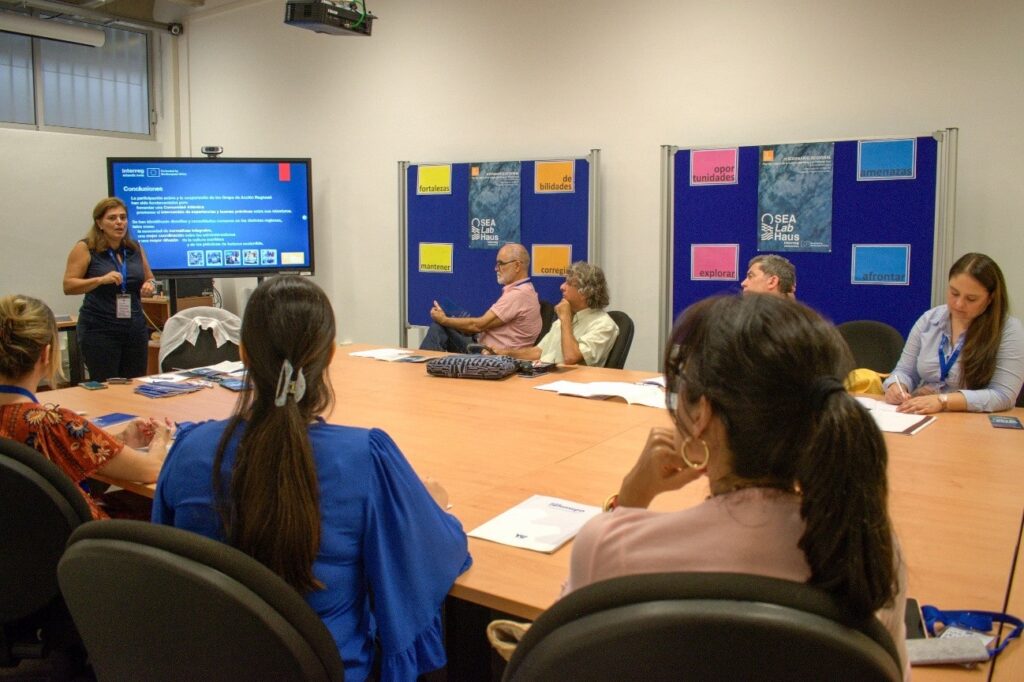
The day began with an institutional welcome by Lucía Martínez Quintana, lead researcher for the project in the Canary Islands, who then presented the results of the first year of work, highlighting progress made in building the Atlantic cooperation ecosystem and identifying strategic priorities for the archipelago.
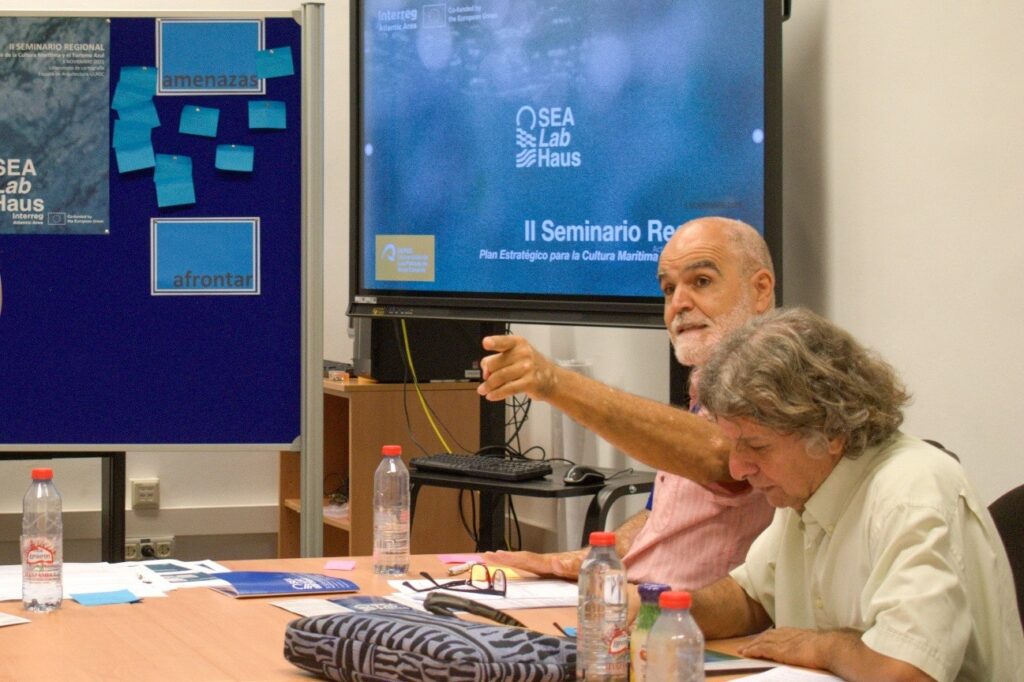
Next, under the coordination of the ULPGC team—Juan Manuel Santana Pérez, Francisco Antonio García Pérez, and Alessandra Vignotto—members of the Regional Action Group (RAG) participated in a SWOT analysis, identifying strengths, weaknesses, opportunities, and threats related to maritime culture and blue tourism in the Canary Islands. After a coffee break, the seminar continued with a CAME workshop, which transformed this diagnostic into concrete strategies to correct, address, maintain, and explore the identified factors.
The event concluded with a collective discussion of the outcomes and the definition of next steps. With this second seminar, the Canary Islands reaffirm their contribution to the SEALabHaus project and move forward in developing a solid strategic plan, aimed at a sustainable and innovative blue tourism model, deeply connected to the maritime identity of the archipelago.
Presentation of the first year’s results from the New Atlantic Area LaboratoryDiscussion on the strengths, weaknesses, opportunities, and threats of maritime culture and blue tourism in the Canary IslandsProgress in the design of the Strategic Plan for Maritime Culture and Blue Tourism in the Canary Islands
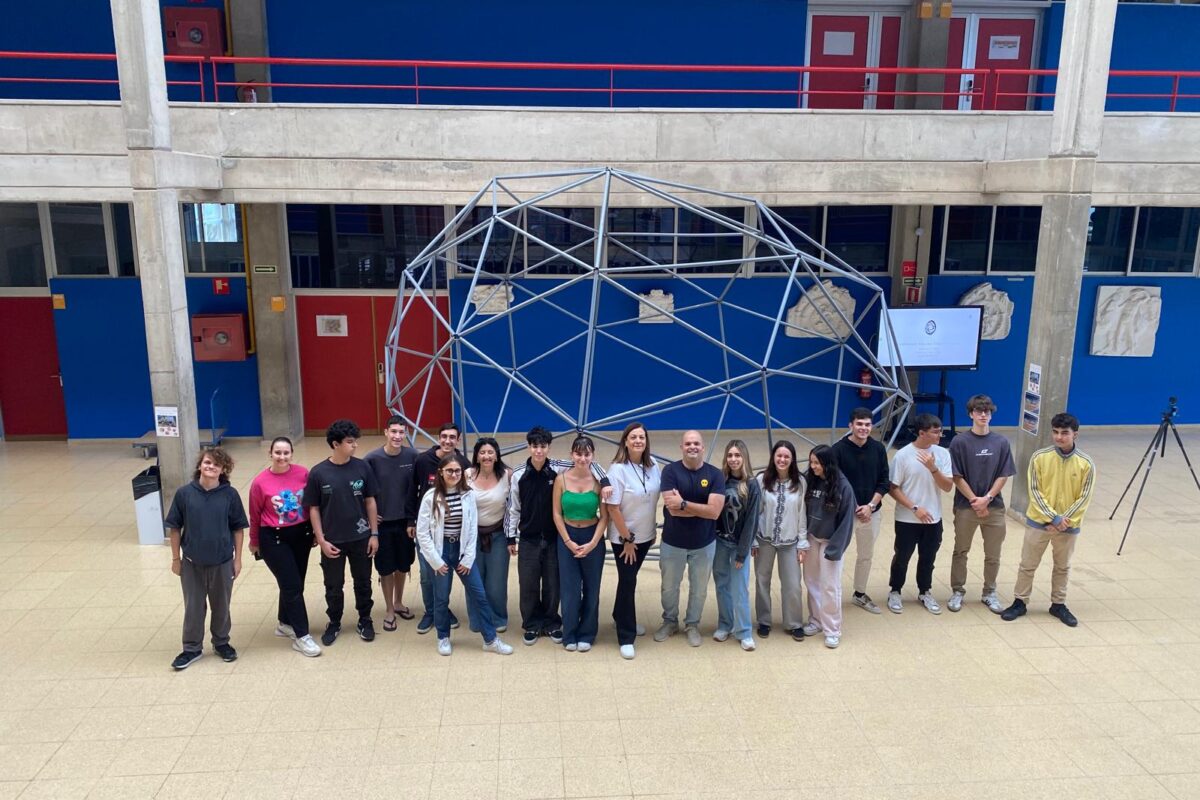
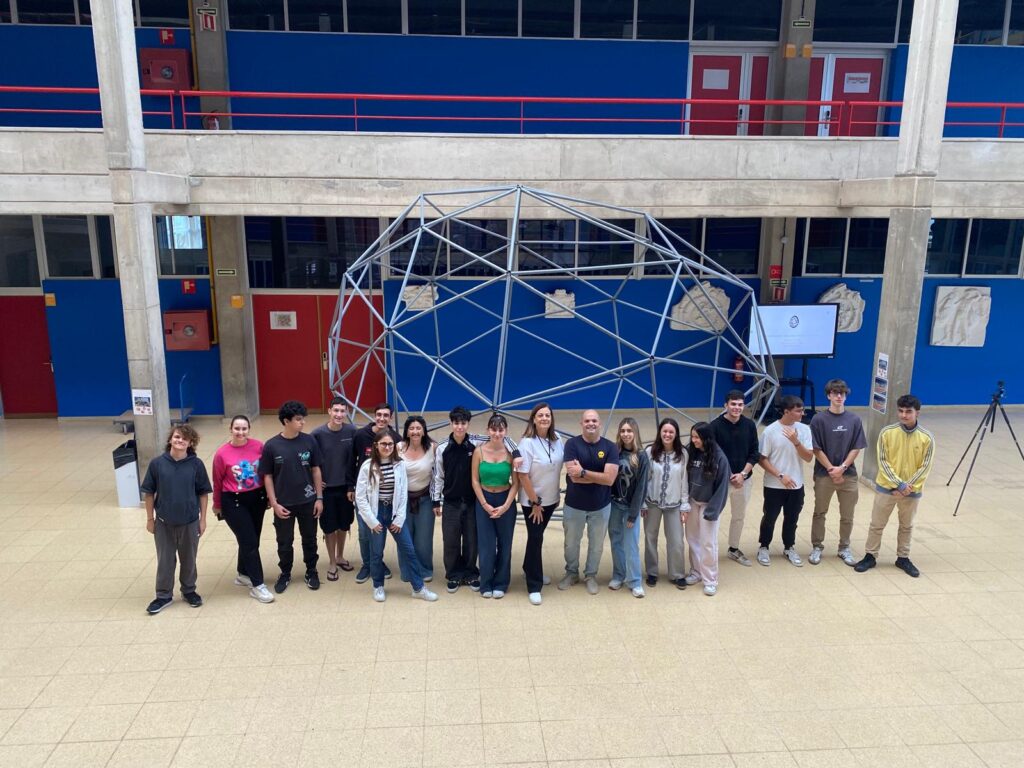
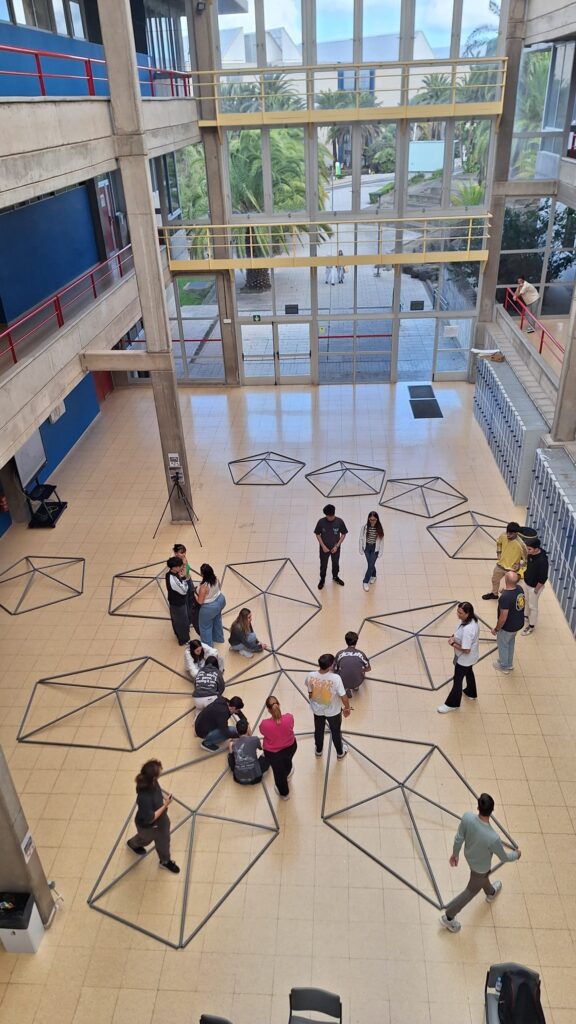
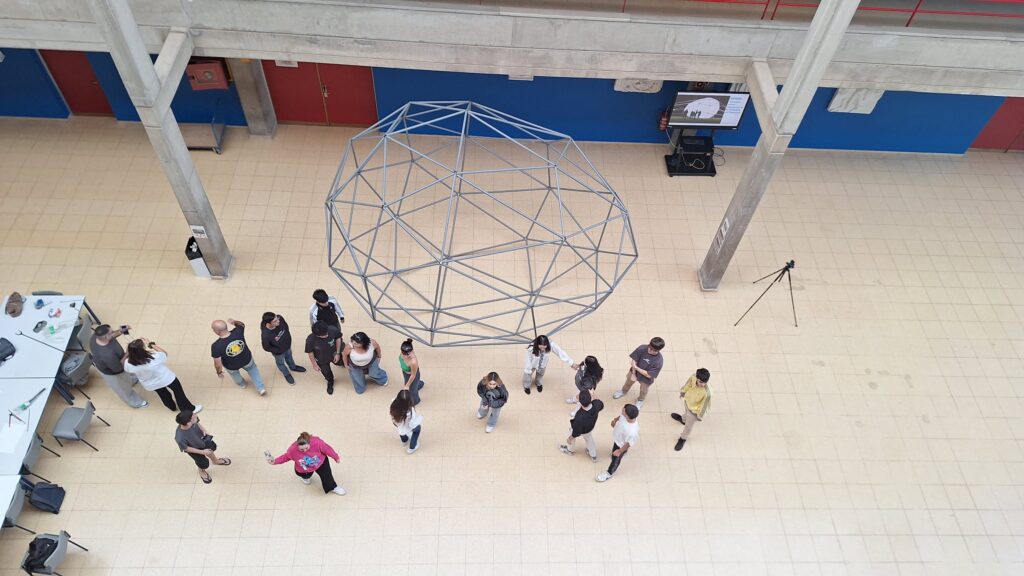
The School of Architecture at the University of Las Palmas de Gran Canaria has been the setting for the assembly of a unique egg-shaped structure, built by first-year students of the course Systems of Representation. Guided by professors Fernando Molina, Elsa Gutiérrez, and Sara Sarmiento, the students constructed a jointed structure measuring 5 x 3.5 x 3.5 meters, allowing them to explore real-scale concepts of scale, geometry, spatial representation, and materiality.
The project, designed and calculated by Fernando Molina —a professor recently incorporated into the school— and developed with the collaboration of the teaching team of the course, has served as a voluntary academic exercise and, at the same time, as a prototype for a larger-scale installation. The structure has provided students with the opportunity to face the challenges of materializing ideas and managing a collaborative project with structural and professional assembly demands. The enthusiasm and active participation of the students have been key to successfully completing this phase of the work.
This piece is part of a future light installation that will be presented at the Festival Fête des Lumières 2025, which will be held in Lyon from December 4 to 11. The final work will be developed and assembled by Fernando Molina along with architect and professor Álvaro López Rodríguez, from the Bartlett School of Architecture in London. Participation in the festival represents international exposure for the project and an exceptional opportunity to showcase the educational talent of the ULPGC School of Architecture.