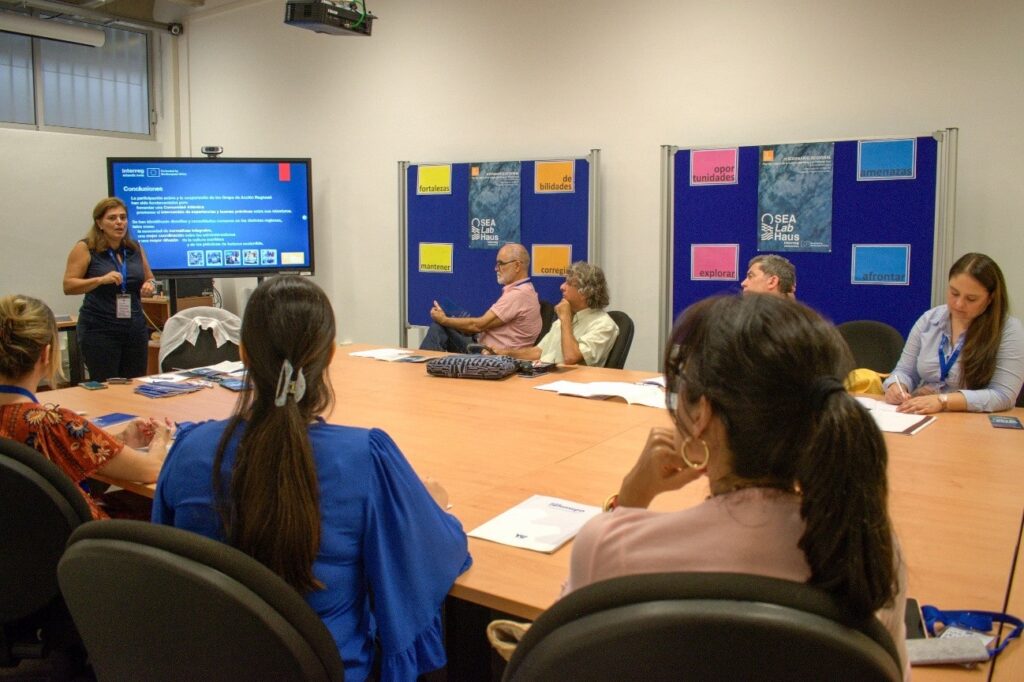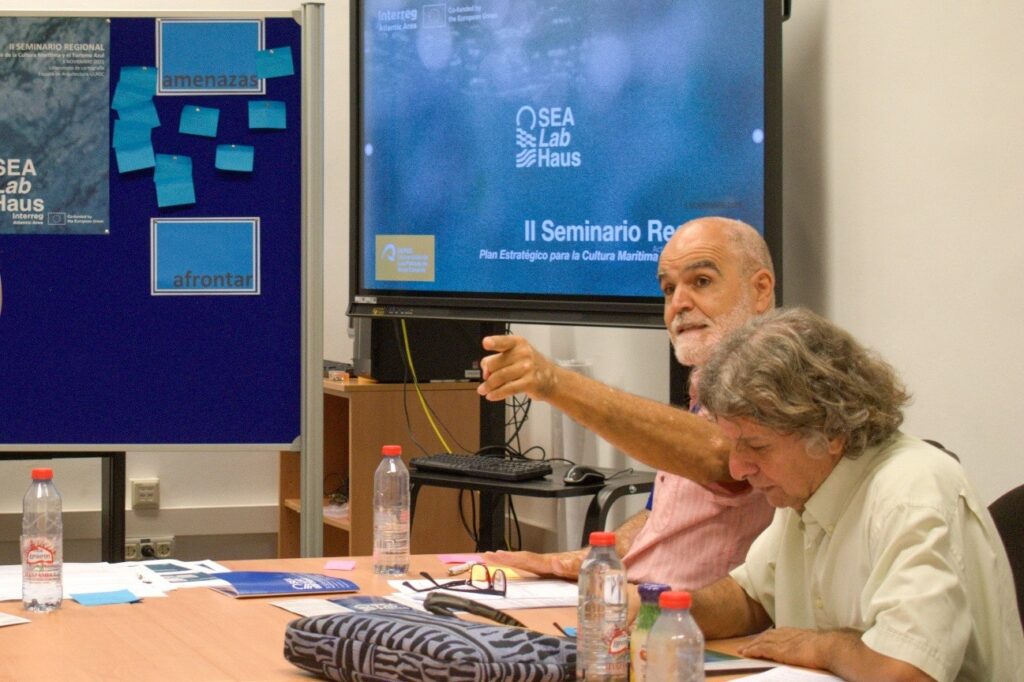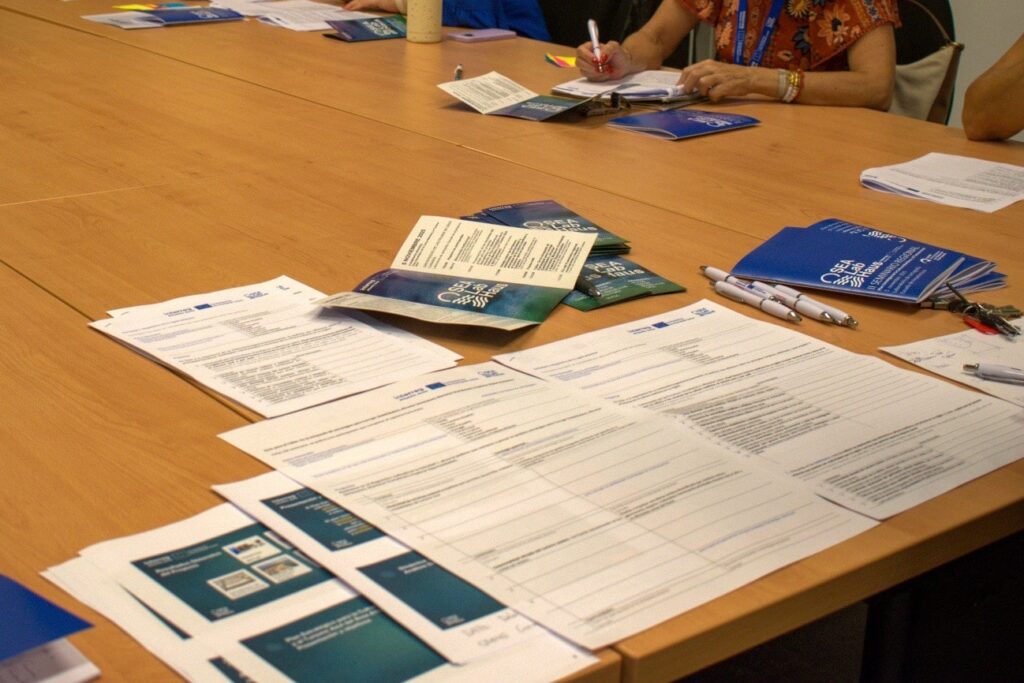


The School of Architecture hosted the 2nd SEALabHaus Regional Seminar on November 5, a key event within the European project SEALabHaus, funded by Interreg and aimed at creating the New Atlantic Area Laboratory. This laboratory is conceived as an international cooperation network among coastal regions of Ireland, France, Portugal, Galicia, and the Canary Islands, promoting innovation around blue tourism, maritime culture, and creative industries connected to the sea, in line with the principles of the New European Bauhaus.
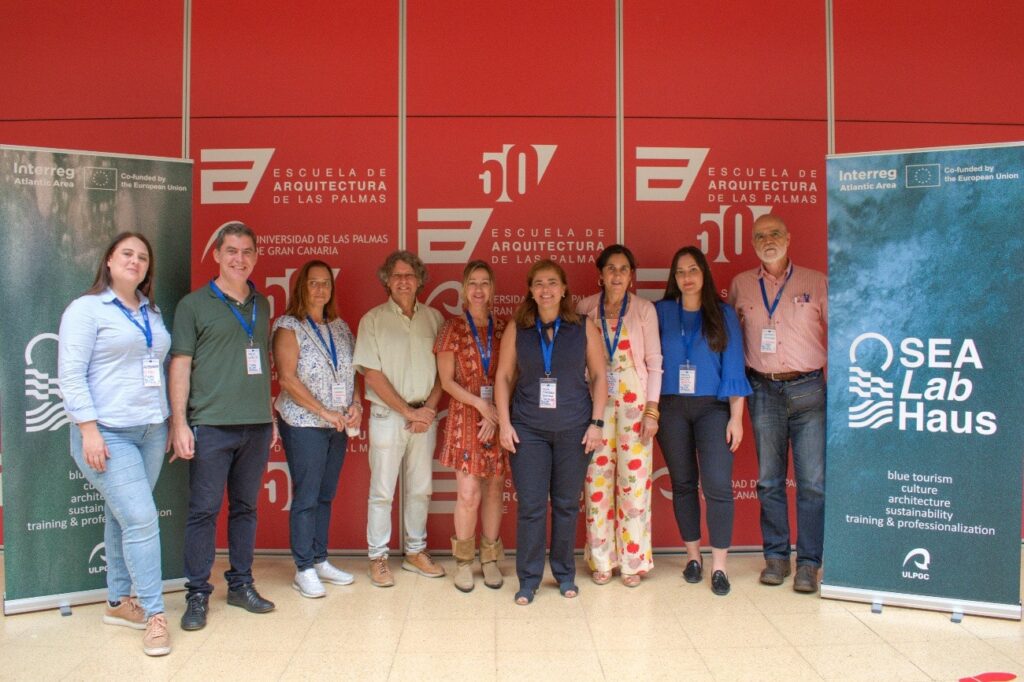
Regional seminars are a core component of the project: they serve as collaborative spaces where researchers, public administrations, cultural organizations, tourism professionals, and citizens come together to jointly analyze the challenges and opportunities of the marine and coastal environment. Their aim is to support the development of the SEALab, while also consolidating an Atlantic community that shares experiences, generates knowledge, and designs joint strategies.
Following the first edition held in 2024—which introduced the project and laid the groundwork for this collaborative network—the second seminar marked a decisive step forward: it focused on advancing the Strategic Plan for Maritime Culture and Blue Tourism in the Canary Islands.
The day began with an institutional welcome by Lucía Martínez Quintana, lead researcher for the project in the Canary Islands, who then presented the results of the first year of work, highlighting progress made in building the Atlantic cooperation ecosystem and identifying strategic priorities for the archipelago.
Next, under the coordination of the ULPGC team—Juan Manuel Santana Pérez, Francisco Antonio García Pérez, and Alessandra Vignotto—members of the Regional Action Group (RAG) participated in a SWOT analysis, identifying strengths, weaknesses, opportunities, and threats related to maritime culture and blue tourism in the Canary Islands. After a coffee break, the seminar continued with a CAME workshop, which transformed this diagnostic into concrete strategies to correct, address, maintain, and explore the identified factors.
The event concluded with a collective discussion of the outcomes and the definition of next steps. With this second seminar, the Canary Islands reaffirm their contribution to the SEALabHaus project and move forward in developing a solid strategic plan, aimed at a sustainable and innovative blue tourism model, deeply connected to the maritime identity of the archipelago.